Vacant Home Insurance: Protecting Your House While You're Away
Most standard homeowners policies void coverage for theft, vandalism, and water damage after 30 days empty. Here's how vacant home insurance closes the gap.
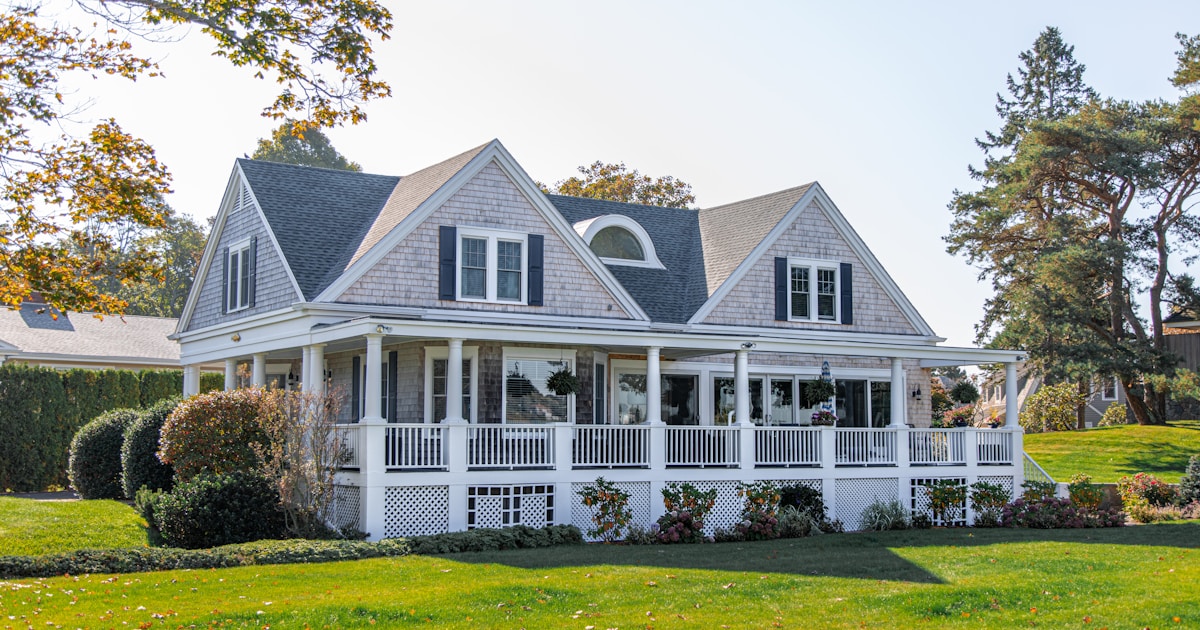
You’re heading out for a six-week road trip. The furniture stays, the utilities are on, and the neighbor has your spare key to collect the mail. Sounds covered, right? Not necessarily. Buried in the fine print of virtually every standard homeowners policy is a clause that quietly strips away coverage for theft, vandalism, and water damage once your home sits empty for 30 consecutive days — and most homeowners only learn about it after a claim is denied.
Vacant homes are three times more likely to be vandalized than occupied ones, according to insurance industry data. With hurricane season kicking off June 1 and summer travel at its peak, now is exactly the time to understand vacant home insurance and whether your current coverage extends to an empty house.
How Vacant Home Insurance Works: The 30-Day Clock
The vacancy clause lives in the “Conditions” section of nearly every HO-3 and HO-5 homeowners policy. It works like a countdown timer. Once your home crosses the threshold — typically 30 consecutive days under most policies — your insurer’s obligations change in ways most people never anticipate.
This is not a technicality that insurers rarely invoke. Carriers increasingly use satellite imagery, aerial inspections, and utility usage data to identify unmonitored properties mid-policy. In 2026, some insurers are flagging homes where water or electric consumption drops to near-zero for more than a month as potentially vacant, then adjusting claim outcomes accordingly.
The clause matters because it triggers automatically. There is no notification, no reminder, no warning letter. The clock starts the day you leave and keeps running whether you know it or not.
Unoccupied vs. Vacant: A Distinction That Changes Your Coverage
Insurance policies draw a meaningful line between “unoccupied” and “vacant,” and knowing which category your home falls into affects which solutions apply.
Unoccupied means someone lives there but is temporarily away. The furniture is in place. The utilities are active. There is food in the pantry, curtains on the windows, and a car that occasionally comes and goes. Think: a two-week vacation, a month-long hospital stay, or a summer spent at a mountain cabin.
Vacant means the property is empty of both people and personal belongings. The utilities may be off, furniture removed, and no clear sign that anyone intends to return soon. This classification applies to homes that are between tenants, listed for sale after a move-out, or undergoing extended renovation.
The practical difference: unoccupied homes may qualify for a simple endorsement added to your existing policy. Vacant homes typically require a separate standalone policy altogether. Many homeowners assume they fall into the first category, only to learn after a loss that their insurer defines things differently. Read your specific policy language carefully, or call your agent to ask directly.
What Your Standard Policy Won’t Cover After Day 30
Once the vacancy clause activates, your standard homeowners policy typically stops covering these specific perils:
- Vandalism and malicious mischief — spray paint, broken windows, deliberate destruction
- Theft and attempted theft — burglary, copper pipe stripping, appliance theft
- Water damage — plumbing leaks, burst supply lines, appliance overflow
- Building glass breakage — windows and skylights broken from any cause
- Sprinkler leakage — unless the system is protected from freezing
Fire and wind typically remain covered even after the vacancy threshold, though some policies apply a 15% reduction to all covered losses once the 60-day mark passes.
That last detail matters. After 60 consecutive days of vacancy, some policies escalate from restricting specific perils to suspending broad categories of coverage entirely. A lightning strike that starts a fire on day 61 may still be covered, but at a reduced payout — and if an insurer characterizes the fire as arson (a form of vandalism), the exclusion can apply outright.
The financial exposure here is real. A burst pipe in an unmonitored home can cause $15,000 to $40,000 in water damage before anyone notices. A single vandalism incident averaged $3,200 in claims data across major carriers. Neither is covered once your standard policy’s vacancy clock has run out. For more on understanding what your policy actually pays, the home inventory insurance guide covers what documentation matters most when a claim arrives.
Your Three Vacant Home Insurance Options
Option 1: Stay Under 30 Days
For trips shorter than a month, your standard homeowners policy almost certainly still applies in full. Keep the utilities on, leave the furniture in place, and arrange for someone to check the property at least weekly. The more your home looks and behaves like someone lives there, the stronger your coverage position.
Option 2: Add an Unoccupied Endorsement
For absences ranging from 30 days to six months — snowbird trips, extended travel, hospital recovery, or a rental gap between tenants — an unoccupied endorsement is the most cost-effective solution. You add it to your existing policy through a phone call to your agent.
The typical cost is 15% to 30% more than your current premium. On the national average standard premium of approximately $1,228 per year (2026 Bankrate data), that works out to roughly $180 to $370 annually, or $15 to $31 per month.
Endorsements usually require:
- Utilities remaining active
- Furniture and personal property staying in the home
- Regular property checks (typically weekly or biweekly)
- Your insurer’s knowledge of the situation before the vacancy begins
Call your agent before you leave, not after something goes wrong.
Option 3: Purchase a Standalone Vacant Home Policy
If your home will be completely empty — utilities off, furniture removed, undergoing a renovation, or sitting on the market after a move — an unoccupied endorsement won’t be sufficient. You need a standalone vacant home policy written specifically for empty properties.
The average cost of vacant home insurance in 2026 is approximately $1,842 per year nationally (WalletGrower data), representing a 50% to 60% premium over a standard occupied policy. In high-risk coastal markets like Florida, that figure can reach $3,000 to $5,500 annually.
Specialty carriers that write vacant home policies include Foremost, American Modern, VacantExpress, and USLI. These policies are typically sold in 3-, 6-, or 12-month increments and are often pro-rated, meaning you receive a refund for unused months if you sell the home or return sooner than expected.
What to Do Before You Leave
The two weeks before a long absence are the right time to get your home and your insurance aligned. Here is a practical checklist:
Call your insurance agent first. Describe how long you will be away, whether utilities will remain on, and whether anyone will be checking the property. Ask specifically whether you need an endorsement or a new policy. Get the answer in writing or in a confirmation email.
Document your home’s contents. A current home inventory gives you the evidence base for any claim filed while you are away. Walk through each room with your phone, photograph valuables and their serial numbers, and note approximate values. Dib can speed this up significantly — the app uses your phone camera to identify items by brand and model, pulls serial numbers, and organizes everything by room in cloud-backed storage. If a theft or vandalism claim is filed after your return, you will need proof of what was there.
Set up visible signs of occupancy. Use smart plugs or timers on interior lights. Pause newspaper and mail delivery. Arrange for a neighbor, friend, or property manager to make weekly walkthroughs and report anything unusual. A home that looks lived-in deters both opportunistic crime and vacancy-clause disputes with your insurer.
Secure the property. Deadbolt all exterior doors, lock windows, and disconnect the garage door opener. Turn off the water supply to individual appliances if you are worried about slow leaks. Turn the water heater to vacation mode. If you have smart home devices, make sure they have a backup power source and a working internet connection — a continuous monitoring record from security cameras or a leak sensor can support a claim and may also reduce your endorsement premium.
Photograph your home’s condition. Take dated photos of all rooms, windows, doors, and the exterior before you leave. If something happens while you are away, these establish a baseline. The flood insurance documentation checklist approach applies here too: the more evidence you have of pre-existing condition, the harder it is for a carrier to dispute your claim.
Special Situations: Hurricane Season, Snowbirds, and Rental Gaps
Hurricane evacuations. The Atlantic hurricane season runs June 1 through November 30, overlapping almost entirely with the period when vacant home coverage issues most commonly arise. If you evacuate your coastal or inland home for a storm, that qualifies as temporary unoccupancy — not a vacancy — and your standard coverage should remain intact for a short-term evacuation. The problem arises if your evacuation stretches past 30 days, or if you decide not to return and the home sits empty through the storm and into the fall. Florida-specific policies also carry elevated premiums because of the compounding risk of hurricane damage and vacancy. See the emergency preparedness guide for what to have documented before any major storm.
Snowbirds. If you spend five or six months in Florida every winter and leave your northern home unoccupied, you need an endorsement or a seasonal agreement with your insurer — not just a good neighbor. Many snowbirds operate for years without one and never have a problem, then discover the gap when a frozen pipe causes a claim in February. The unoccupied endorsement is specifically designed for this scenario, and the cost is modest relative to the exposure.
Rental gaps. A home between tenants is one of the most common situations where vacancy coverage fails homeowners. The tenant moves out, you have two months before the next one arrives, and you assume your landlord policy or standard homeowners policy still applies. In most cases, it does not for the perils listed above. Contact your insurer as soon as a tenant gives notice, not after they hand back the keys. The landlord rental inventory guide covers the documentation side of these transitions in detail.
Homes listed for sale. Once a seller moves out and the house sits empty for showings, the vacancy clock starts. Some real estate agents and sellers do not realize this until a break-in or a water leak creates a denial. If you have already moved into your new home but the old one is still listed, call both insurers to understand where the coverage begins and ends.
Frequently Asked Questions
How long can my house be vacant before insurance cancels? Most standard policies restrict coverage — rather than cancel immediately — once the home crosses the 30-day vacancy threshold. Coverage for vandalism, theft, and water damage is typically suspended first. After 60 days, broader restrictions may apply. Full cancellation of the policy usually follows only after the insurer learns of the extended vacancy and issues a formal notice. The safest approach is to notify your insurer before the 30-day mark.
Does leaving furniture in my house prevent it from being classified as vacant? It helps, but it is not the only factor. Most policies define vacancy based on a combination of occupancy (whether someone is living there) and the presence of personal property. Furniture alone, without utilities and regular occupancy, may not be sufficient to maintain covered status. Ask your insurer directly how they define the term in your specific policy.
What if I have a house sitter? A trusted house sitter who stays at the property regularly — not just checking the mail from outside — is one of the strongest ways to maintain unoccupied rather than vacant status. Document the arrangement with your insurer and confirm it satisfies their requirements. Some endorsements specifically require “regular occupancy” by a designated individual.
Will my home alarm system lower my vacant home insurance premium? Yes. Most specialty carriers offering vacant home or unoccupied endorsement policies credit monitored alarm systems, deadbolt locks, and smoke detectors. Central-station monitoring is valued more than a simple self-monitored system. Smart home leak sensors and security cameras that log timestamped footage can also support premium reductions and strengthen a future claim.
What happens to my mortgage if my home is uninsured when something goes wrong? Your mortgage lender requires continuous insurance on the property. If you fail to maintain coverage and a loss occurs, you remain liable for both the repair costs and your mortgage payments. A vacancy exclusion does not suspend the mortgage. Some lenders also have the right to force-place expensive coverage and charge you for it if they discover your policy has been compromised.
How do I find a specialty vacant home insurer? Your current agent is the first call — many standard carriers have subsidiary programs or can refer you to a specialty market. If your insurer declines, independent agents who work with surplus lines carriers can quote Foremost, American Modern, or similar providers. Get at least two quotes, since pricing varies significantly by property location, age, and security features.
Vacant home insurance is one of those gaps that feels abstract until it isn’t. The cost to fix it is modest — often just a phone call and a small premium adjustment. The cost to discover the gap after a vandalism incident, a burst pipe, or a storm is not.
Before your next trip of more than 30 days, pull out your homeowners policy, locate the vacancy clause, and call your agent. If you have a solid home inventory in place before you leave — documenting what is there and what it is worth — you will be in a far better position if a claim arises. If you do not have one yet, start with how to create a home inventory for insurance claims.
Related reading: Home Insurance Non-Renewal Guide: What to Do When Your Insurer Drops You and How to Document Your Smart Home Devices for Insurance.

Try Dib
The AI-powered home management app we built. It remembers everything so you don't have to.
- AI-powered inventory scanning
- Automatic maintenance reminders
- Document storage & extraction
- Vehicle tracking
- Emergency preparedness
Related Articles
Actual Cash Value vs. Replacement Cost Home Insurance Explained
Two-thirds of U.S. homeowners are underinsured. Understand the actual cash value vs replacement cost home insurance difference before your next claim.

Best AI Home Inventory Apps (2026): Complete Guide
AI home inventory apps save 80% of the time vs manual entry. Compare the best AI-powered options for scanning, cataloging, and protecting your belongings.

Apartment Home Inventory: A Complete Guide for Renters
Create a comprehensive apartment inventory for renters insurance claims. Learn what to document, how to estimate values, and protect your belongings when you rent.
Found this helpful?
Get more home management tips and guides delivered to your inbox.
No spam, ever. Unsubscribe anytime.